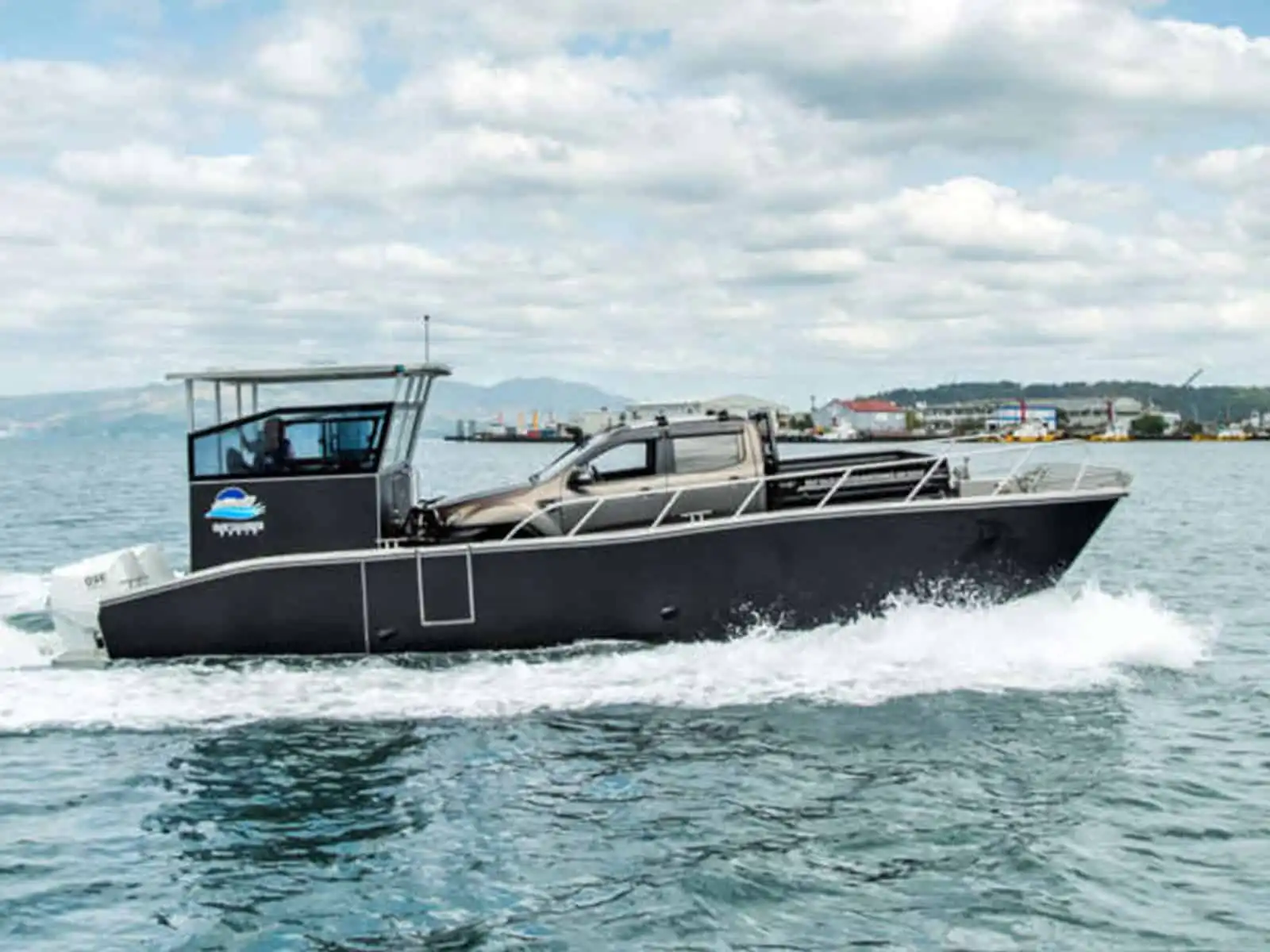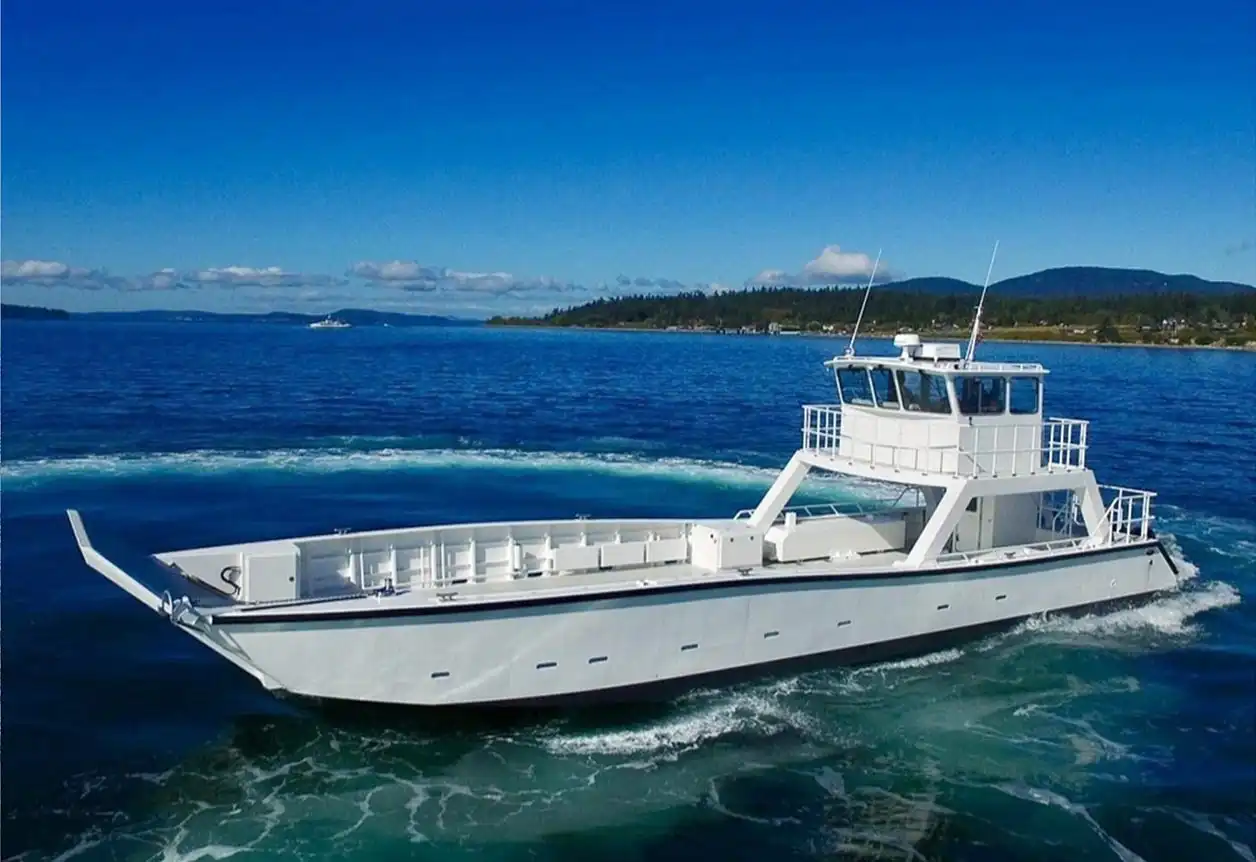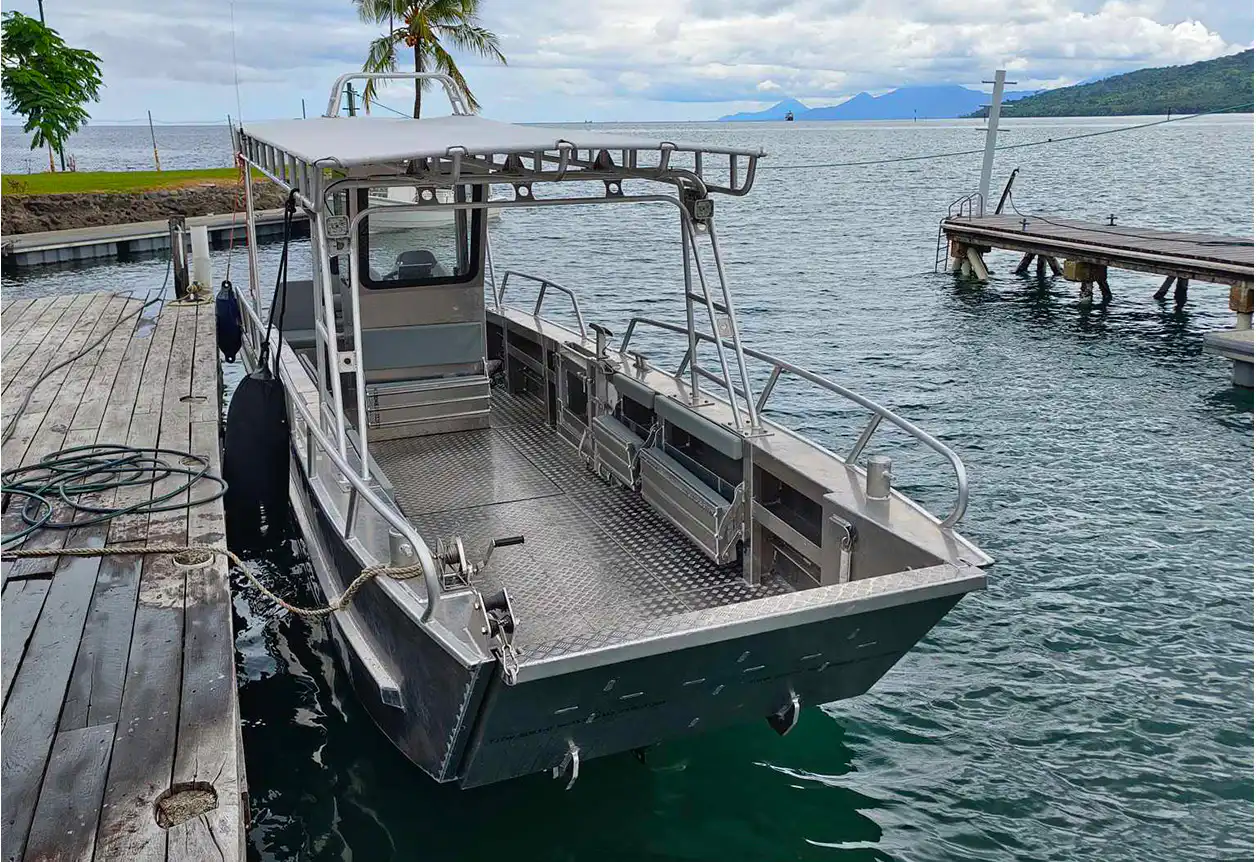
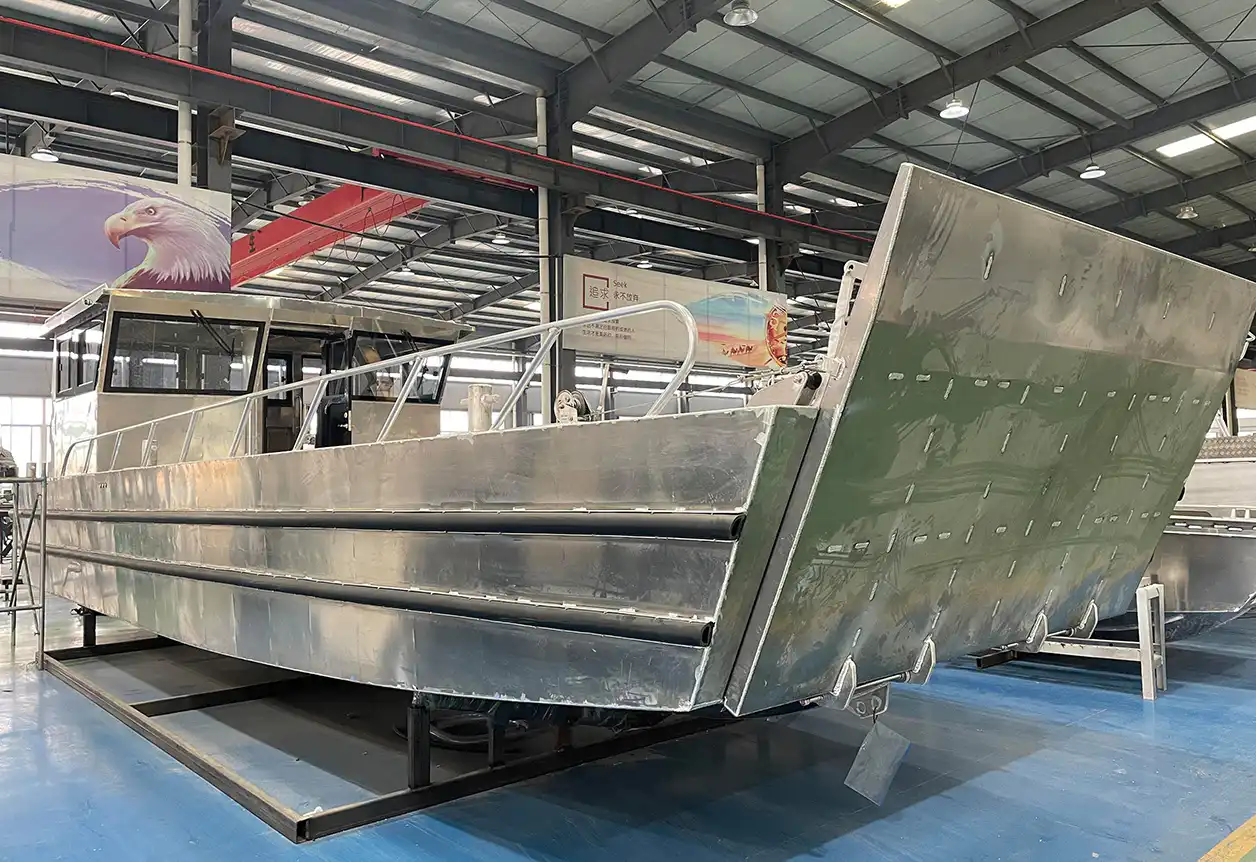
1. Design: From Requirements to Drawings
Every good landing craft starts with careful design. Based on the client’s operating conditions, payload, operating waters and target speed, the design team selects the hull form and develops the general layout. This stage covers hull form design, structural calculations, stability checks and propulsion matching. Once complete, the drawings are reviewed by a classification society or the relevant certification body to confirm they meet construction rules and safety standards. A good design must meet functional requirements while also being practical to build and cost-effective; it is the foundation for a landing craft that is both practical and durable. Experienced designers also plan for maintenance at the drawing stage, for example by adding access hatches and routing pipes so they are easy to replace. These details are easy to miss on paper but make a real difference once the craft is in service.
2. Material Inspection and Preparation: Quality Control at the Source
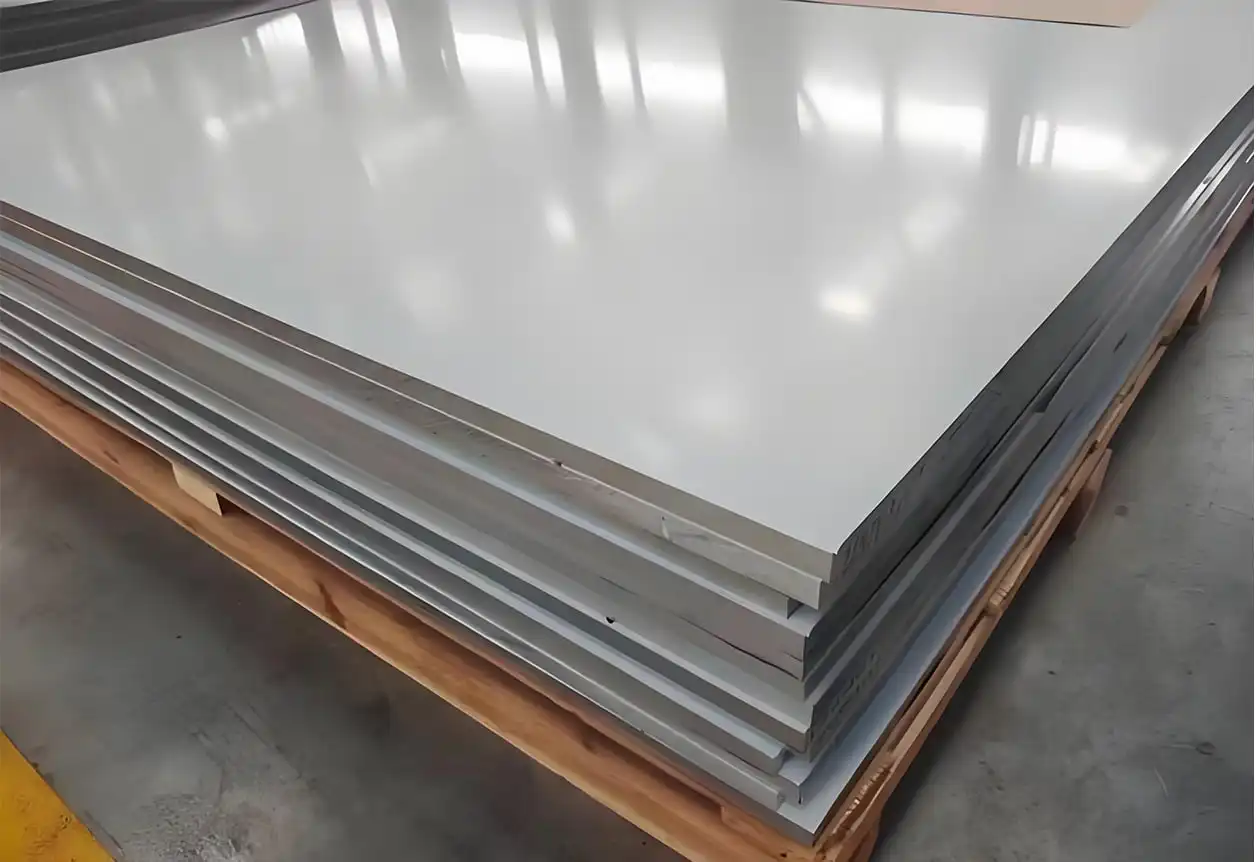
Production starts with strict material inspection. Every aluminum plate delivered to the factory is checked against its CCS certification and mill certificates to confirm that each batch of 5083-H116 marine-grade aluminum meets the required standard. Plates are then checked for flatness, and their surfaces must be free of defects such as cracks, blisters and delamination. Before cutting and welding, the plates are cleaned to remove oil and oxide. This step looks simple, but it directly affects the structural quality and long-term durability of the whole landing craft. In practice, we have found that even plates from the same batch can pick up moisture and oxidize if stored badly, so storage conditions in the factory are tightly controlled as well.
3. Precision Cutting: From Drawings to Parts
Following the design drawings, the aluminum plates are cut on CNC laser or plasma cutting machines. Laser cutting is accurate to ±0.1 millimeters, so every part comes out at the right size and later assembly stays accurate. Cut edges are then ground and deburred, and the dimensions and quantity of every part are checked against the drawings before the next step. Accurate cutting reduces adjustment work later and speeds up the whole build. As our workers like to say: “Cut it right and the welding goes smoothly; cut it wrong and the welding takes forever.”
4. Welding: Building the Hull Structure
Welding is the most critical stage in building a landing craft. The bottom, side and deck plates are welded to the keel, frames and stringers. Key structural areas use double-sided full-penetration welds and are checked by non-destructive testing, such as ultrasonic testing, to make sure the welds are free of porosity and cracks. Good welding ensures the hull’s strength and watertightness and directly affects how safely and how long the landing craft can handle repeated beaching. All of our welders hold CCS-issued qualification certificates; for us this is a commitment to safety as much as a regulatory requirement. Weld quality is hard to judge by eye and needs specialized testing equipment, so we rely on standardized procedures to get every stage right.
5. Sectional Construction and Final Hull Assembly
To improve efficiency and quality control, modern landing craft are usually built in sections. The hull is divided into bow, midship and stern sections, which are built separately, welded and inspected, and then joined into the complete hull. Building in sections makes quality easier to control, reduces rework and keeps weld quality and structural strength consistent. Once final assembly is complete, the basic structure and shape of the hull are in place. Clients who visit the shipyard at this stage can see the landing craft come together from separate sections into a complete hull, which helps them understand how it is built and checked.
6. Painting: Protection and Appearance
Once the hull is closed, the landing craft moves to painting. Aluminum does not rust, so the paint system mainly prevents marine growth and gives a durable finish. The hull is first sandblasted or sanded to remove oxide and weld spatter, then coated with a primer formulated for aluminum. Antifouling paint is applied to the bottom to stop marine growth. Topcoat colors and schemes can be customized to match your brand or preferences. Good paintwork extends the hull’s service life and gives the craft a clean, professional look. One often-overlooked detail: temperature and humidity in the paint booth affect adhesion and curing, so professional booths are climate-controlled.
7. Outfitting and Equipment Installation: Bringing the Landing Craft to Life
Once the hull structure is complete, outfitting begins. This includes installing the propulsion system (engines, fuel lines and steering), the electrical system (switchboards, lighting and navigation equipment), the bow ramp system and deck machinery. Each system is function-tested after installation in preparation for dock trials. If the hull is the skeleton, outfitting is what brings the craft to life. We pay particular attention to how pipes are routed and secured: pipes that are not firmly fixed can loosen or crack from vibration underway, and repairing them often means opening up large sections of the structure at high cost.
8. Interior Finishing and Comfort Features
For landing craft that carry passengers or serve as crew accommodation, interior finishing is an essential part of the build. We finish the wheelhouse, seating, restrooms and galley to the owner’s specifications. Materials must meet marine fire-safety and environmental requirements so they stay safe and durable at sea. Appearance and comfort matter, but safety and long-term durability come first. A well-designed interior improves the experience on board and adds value to commercial operations. Our experience is that practicality should always win over looks: an attractive countertop made of a non-waterproof material will quickly fail in a marine environment.
9. Inspection and Trials: The Final Check Before Delivery
Every landing craft must pass dock and sea trials before it leaves the factory. Tests include hull watertightness (checking welds for leaks), full-load propulsion tests, speed and fuel consumption tests, steering and turning tests, and anchoring and mooring equipment tests. Only after passing all of these are the acceptance documents signed and delivery arranged, so every landing craft reaches the customer safe and reliable. These tests are not only for the customer; they are also a full self-check for us, and any issue found is resolved before delivery. If you would like to follow a build or discuss a landing craft for your project, contact our team for a quote.
For the questions to ask any builder before you order, see our aluminum landing craft buyer’s guide.