1. Seawater Is the Main Enemy: Rinse with Fresh Water After Every Trip
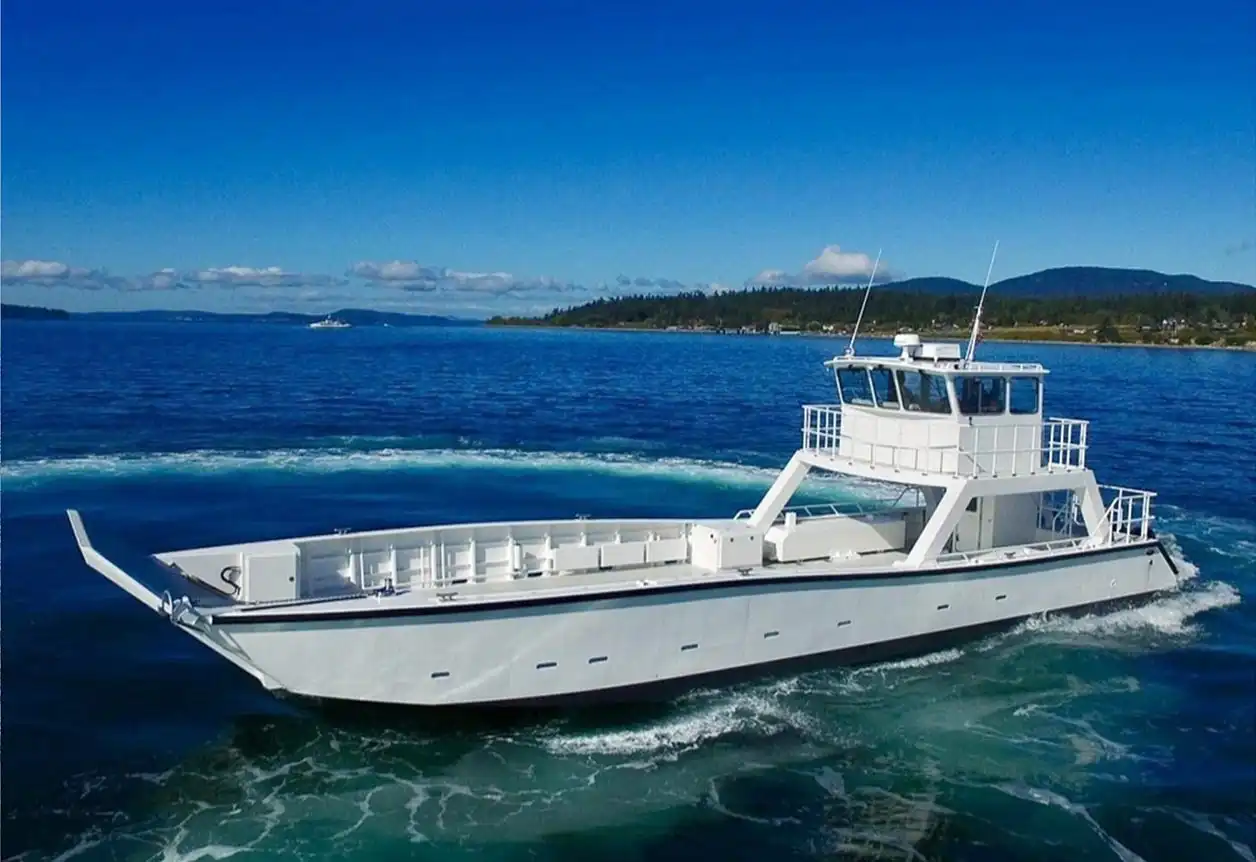
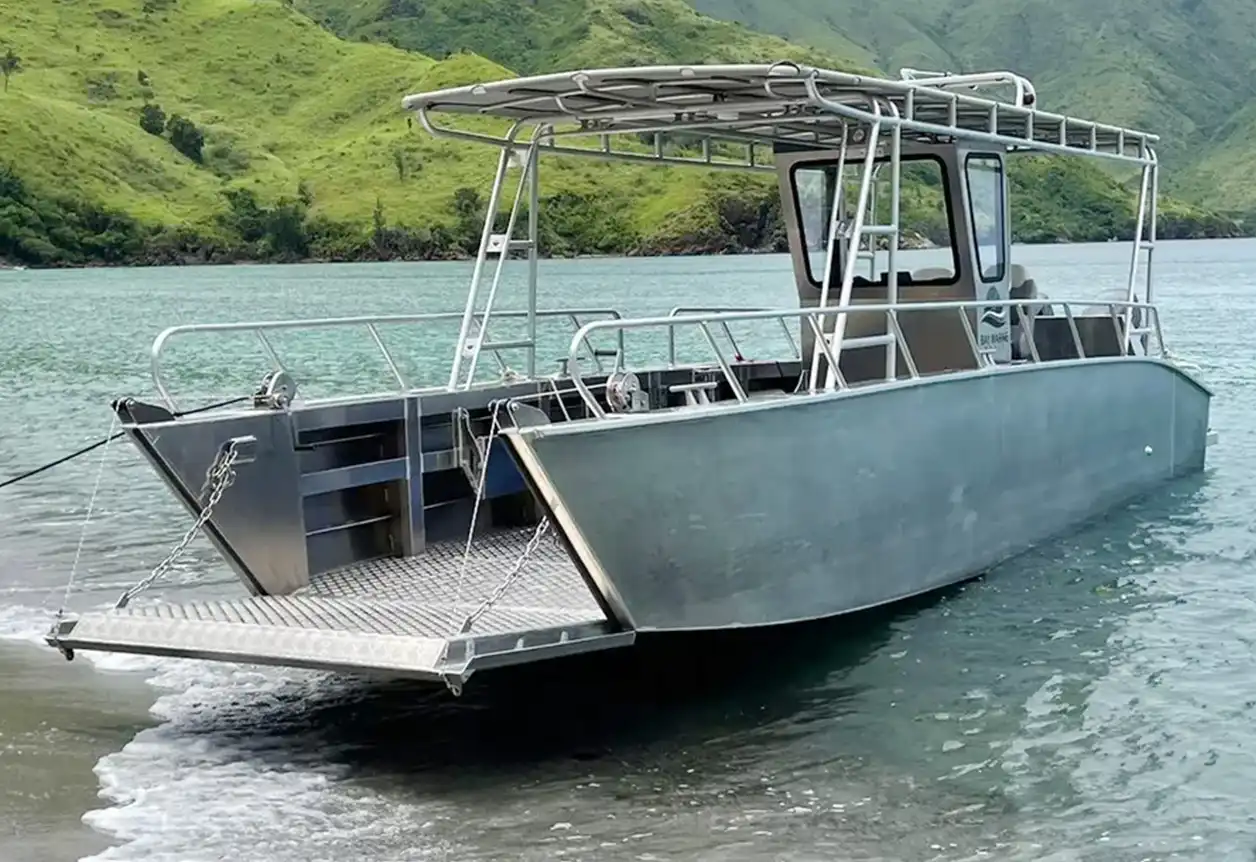
For landing craft that work on the coast, seawater is the main cause of corrosion. The marine-grade aluminum used in aluminum landing craft, such as 5083 alloy, resists corrosion very well, but salt left on the surface for long periods can still attack the oxide layer. The simplest protection is to rinse the entire craft with fresh water after every trip, paying special attention to the hull bottom, ramp hinges and outboard motors; if that is not practical, rinse it at least once a week. This costs almost nothing but can add years to the hull’s life. A customer who has run our 9-meter aluminum landing craft for five years told us: “I spend ten minutes rinsing it every day, and after five years, the hull still looks brand new.” Landing craft that work on tidal flats need extra rinsing where salt collects, such as around hull welds and ramp hinges.
2. Sacrificial Anodes: Inspect and Replace Them Regularly
Sacrificial anodes are the second line of corrosion protection on an aluminum landing craft. Zinc or aluminum anodes corrode before the hull does and so protect the structure. Inspect them every three to six months and replace them once they have worn to less than half their original size. White powder or pitting on the anode surface means they are doing their job. When replacing anodes, use parts that meet the original manufacturer’s specifications and make sure they have good electrical contact with the hull. Many owners skip this check and only notice when pitting appears on the hull, by which time it is too late. Anodes are cheap, but they protect the most valuable part of the landing craft.
3. Engine and Fuel System: Stick to the Service Schedule
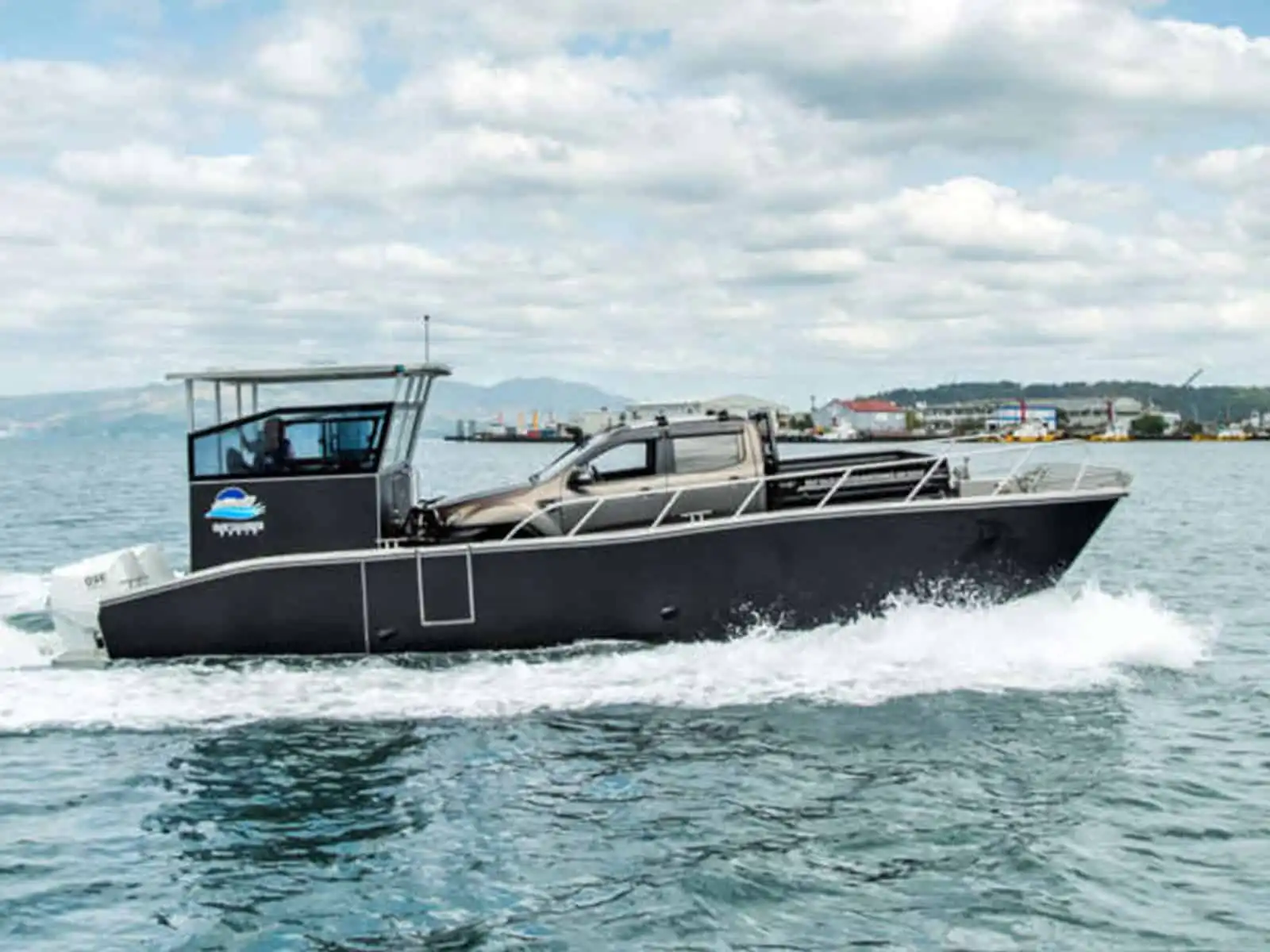
The engine, especially an outboard, is the most complex part of a landing craft. Change the engine oil and oil filter every 100 hours or every three months, and check or replace spark plugs and gear oil every 200 hours. On the fuel side, replace the fuel filter and clean the fuel/water separator regularly to avoid problems caused by dirt or water in the fuel. If the landing craft will be laid up for a long time, fill the tank and add a fuel stabilizer to stop the fuel deteriorating. Regular servicing greatly reduces the risk of breaking down at sea, and a well-maintained outboard can easily run more than 3,000 hours. In commercial service, a day of engine downtime is a day of lost revenue, so this is not the place to cut corners.
4. Electrical System: Keep It Dry and Connections Tight
The marine environment is damp, and electrical faults are one of the most common causes of downtime on landing craft. Inspect all connections and switches every quarter for looseness, oxidation or water. Use marine-grade waterproof terminals on all exposed connections and coat them with dielectric grease. Keep batteries clean and dry, with corrosion protectant on the terminals. If the landing craft has electronic navigation equipment, a voltage stabilizer will protect it. At sea, one loose connection can end a trip, so experienced owners carry spare fuses and basic wiring tools on board.
5. Hull and Deck: Repair Minor Damage Promptly
Beaching inevitably brings the hull into contact with sand and gravel. After each trip, walk around the landing craft and check the hull and sides for scratches, dents or holes. Marine-grade aluminum resists corrosion, but scratches down to bare metal can still pit if left in saltwater for long periods. Shallow scratches can be sanded and filled with aluminum repair compound; deeper damage needs professional welding. If the deck’s anti-slip surface is badly worn, recoat it so people do not slip when the deck is wet. Fixing small problems early avoids major dry-dock repairs later. Pay particular attention to the front third of the hull after each beaching, as this area takes the most concentrated loads.
6. Seasonal Storage: Laying Up Your Landing Craft Properly
If your landing craft is laid up for a season, such as over winter or during the rainy season, proper storage prevents surprises when you return to service. Store the landing craft ashore on a cradle that supports the hull evenly; winterize the engine according to the manufacturer’s instructions (changing the oil, adding corrosion inhibitor and draining the cooling system); disconnect the negative battery terminal and recharge the battery from time to time; and cover the craft with a waterproof tarp to keep off sun and rain. Before the new season, recommission the engine and electrical systems properly and make a short test run. Time spent on off-season care saves repair costs and lost working days later. If you need spare parts or servicing advice, our team is happy to help.
If you are still choosing a landing craft, our aluminum landing craft buyer’s guide covers size, layout, power and build quality.